Pour Decisions: How Shinjuku's Sake Bars Turned Americans Into Believers
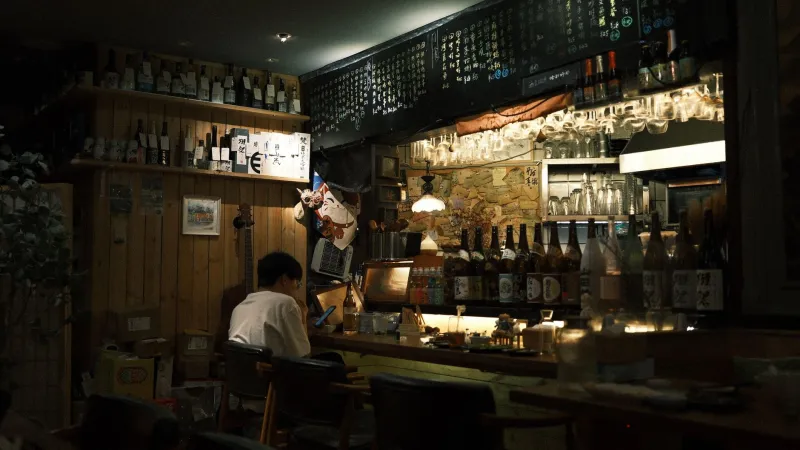
Most Americans arrive in Tokyo with a vague idea that sake is a thing — warm, rice-based, maybe served in a tiny cup at a sushi restaurant back home. Then they walk into the right bar in Shinjuku and everything they thought they knew gets quietly dismantled, cup by cup, in the best possible way.
Shinjuku isn't just a nightlife district. It's a place where culture gets layered — neon over tradition, chaos over craft. And tucked between the karaoke towers and the yakitori smoke, there's a growing scene of intimate sake bars that have quietly become some of the most rewarding spots for curious American visitors. Not because they cater to tourists, but because they don't.
What Makes a Sake Bar Worth Your Night
Here's the thing about sake education: it rewards the hands-on approach. You can read about junmai daiginjo versus honjozo all day, but until you're actually holding two cups side by side — one with that clean, floral finish and one with the earthy, full-bodied punch — the terminology doesn't really land.
The best sake bars in Shinjuku understand this. They're not handing you a laminated card with a numbered list. They're building an experience around your palate, your curiosity, and your willingness to admit you have no idea what you're tasting. That humility, it turns out, is exactly what these sommeliers are waiting for.
A good nihonshu sommelier — and yes, sake sommelier certifications are a serious thing in Japan — will start by asking you a few questions. Do you like dry wines or sweet ones? Are you into whiskey? Do you usually go for bold flavors or clean finishes? From there, they'll start mapping out a tasting flight that makes sense for you, not just for the menu.
Breaking Down the Basics Before You Walk In
Let's do a quick crash course so you're not completely lost when the menu hits the table.
Junmai means the sake is brewed with only rice, water, yeast, and koji mold — no added alcohol. Think of it as the "pure" category. These tend to be richer and more savory.
Ginjo and Daiginjo refer to how much the rice has been polished before brewing. More polishing equals a lighter, more fragrant sake. Daiginjo is the premium tier — delicate, aromatic, sometimes almost wine-like.
Nigori is the cloudy, unfiltered stuff. Sweeter, thicker, and way more approachable for first-timers who need a gentle entry point.
Nama means unpasteurized — fresher, livelier, and often served cold. It's got a kind of brightness that pasteurized sake doesn't quite match.
Armed with even this much vocabulary, you'll get dramatically more out of any guided tasting. And the sommeliers at Shinjuku's better spots will genuinely appreciate that you showed up prepared.
The Hidden Gems Worth Seeking Out
Shinjuku's sake scene doesn't cluster in obvious spots. You're not going to stumble across these places while wandering Kabukicho at midnight. The best bars tend to be tucked into basement floors, up narrow staircases, or down alleyways in Nishi-Shinjuku and the quieter pockets near Shinjuku-Sanchome station.
What you're looking for are places with a short, rotating menu — usually regional selections from breweries across Japan — and a staff that treats the pour like it means something. If the menu lists the prefecture of origin alongside each sake, that's a good sign. If the bartender can tell you the name of the brewery without checking, even better.
Some of these spots offer structured omakase-style tastings, where you hand over the decision-making entirely and let the sommelier take you on a regional tour through a single evening. You might go from a crisp Niigata junmai to a rich, amber-toned aged sake from Akita to a fizzy, almost Champagne-like sparkling variety from a small Kyoto producer. It's the kind of progression that builds a real map of what Japanese sake culture actually looks like — not the flattened, single-note version that made it to American restaurant menus.
The Hands-On Part Is Literal
Here's where V Hand Shinjuku's whole philosophy actually connects to a sake bar in ways you might not expect. A lot of these venues incorporate tactile elements into the tasting experience — and we don't just mean holding the cup.
Some bars walk you through the difference between ceramic, wooden, and glass vessels and how each one changes the temperature and flavor profile of what you're drinking. You'll hold a wooden masu box and taste the same sake you just had in porcelain, and the difference is real enough to be kind of startling. The wood adds an earthy, almost cedar-like note. The ceramic holds temperature differently. The glass gives you the most neutral read on the sake's actual character.
Other spots offer short guided sessions where you learn how to properly pour for a companion — a ritual that carries its own social weight in Japan. You don't pour for yourself. You pour for the person across from you, and they pour for you. It's a small gesture, but in a country where gesture carries meaning, it's the kind of thing that shifts how you think about the whole evening.
What to Expect as an American
Let's be real: walking into a small, traditional sake bar as a non-Japanese speaker can feel intimidating. The menus are often in Japanese, the staff might be reserved, and the vibe in these places is quieter than what most Americans associate with a night out.
But the sake bars that have developed a reputation among international visitors have figured out how to bridge that gap without losing what makes them special. Many have at least one English-speaking staff member during peak hours. Some have QR-linked menus with English descriptions. And almost universally, the sommeliers in these spots have a kind of patience with curious visitors that makes the learning curve feel easy rather than embarrassing.
Don't be afraid to say you're new to this. Don't be afraid to ask questions. The culture around sake appreciation in Japan is genuinely welcoming to people who approach it with sincerity — and these bartenders can tell the difference between someone who wants a quick drink and someone who actually wants to understand what's in the glass.
The Takeaway
Shinjuku gives you a lot of ways to spend a night. You can chase the neon, hit the live music spots, navigate the clubs. But if you carve out even one evening for a proper sake bar experience — a real one, with a guide who knows the craft — you'll leave with something that doesn't fade when the jet lag does.
You'll leave knowing what you actually like. And in a city this overwhelming, that kind of clarity is worth every carefully poured cup.