Ditch the Karaoke Box: 7 Live Music Spots in Shinjuku That Actually Slap
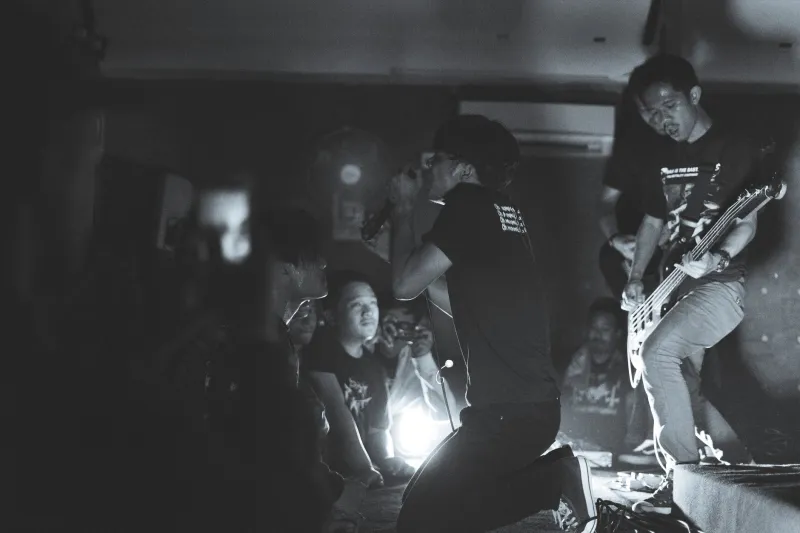
Let's be honest. Karaoke boxes are great. Nobody here is going to tell you not to spend two hours belting out Mariah Carey in a private room with your friends and a pitcher of highballs. That's a perfectly valid Tokyo experience.
But if you're using karaoke as your primary engagement with Shinjuku's music scene, you're essentially flying to New Orleans and only eating at the hotel restaurant. The real food is outside. And in Shinjuku, the real music is happening in venues that most tourists walk right past.
Here's your guide to seven spots where the actual Shinjuku music scene breathes.
1. Shinjuku Loft
Genre range: Indie rock, punk, alternative, experimental Crowd: Local music lifers, art school types, the occasional confused tourist who stumbled in and stayed all night
If you know anything about Tokyo's live music infrastructure, you've heard of Loft. The original venue in Shinjuku helped define the city's underground rock scene in the 1970s and became a launching pad for artists who later became household names in Japan. The current location in Kabukicho maintains that legacy with a mix of established indie acts and newer experimental performers.
The space feels lived-in in the best way — worn floors, walls plastered with decades of show posters, a sound system that hits harder than the room's modest size suggests. Shows typically run late, so plan accordingly. Doors are often 6:00 PM with music starting around 7:00. Tickets range from ¥2,000 to ¥5,000 depending on the act, usually purchased at the door or through the venue's website.
US visitor tip: The staff speaks limited English, but the ticket process is straightforward. Have yen ready and know the artist name you're there to see.
2. Motion Blue Tokyo (Shinjuku area access)
Genre range: Jazz, soul, R&B, fusion Crowd: Date night couples, industry professionals, jazz enthusiasts of all ages
Okay, technically headquartered in Yokohama, but the venue books touring artists who frequently perform Shinjuku-adjacent shows and the reservation system is worth knowing regardless. For US visitors who want a more polished, seated live music experience — think a high-end version of Jazz at Lincoln Center, but in Tokyo — this is your benchmark for what the premium end of Japanese live music hospitality looks like.
The programming leans toward internationally recognized artists alongside Japan's top jazz and soul performers. Dinner and show packages are available and genuinely worth the price.
3. Naked Loft
Genre range: Experimental, spoken word, noise, avant-garde performance Crowd: Artists, academics, people who use the word "liminal" unironically, and curious outsiders
Naked Loft is where things get weird, and we mean that as the highest compliment. Sibling venue to Shinjuku Loft, this space leans into the experimental and the confrontational. Performances here might include noise artists, political comedy, live art installations set to music, or genre-defying performers who don't fit anywhere else.
For American visitors accustomed to the more defined categories of US live music — even in cities like New York or LA — Naked Loft can be genuinely disorienting. That's the point. The venue has long functioned as a space for artists who are questioning what performance even means.
Shows are inexpensive, often ¥1,500–¥2,500, and the bar is solid.
US visitor tip: Check the schedule in advance. Some nights are more accessible than others if you're newer to experimental performance culture.
4. Shinjuku Pit Inn
Genre range: Jazz, fusion, progressive Crowd: Serious jazz listeners, musicians, older regulars with deep knowledge
Opened in 1965, Pit Inn is one of Tokyo's oldest continuously operating jazz clubs and carries an almost sacred status among local musicians. The afternoon sessions (typically starting around 2:30 PM) are affordable and showcase newer talent, while evening shows feature established artists.
The room is small, the attention is focused, and the expectation is that you're there to listen. This isn't background music at a cocktail bar. Pit Inn treats jazz as a serious art form, and the crowd reflects that.
For US visitors who have hit jazz clubs in Chicago, New Orleans, or New York, Pit Inn will feel immediately familiar in the best way — same devotion, different cultural context.
5. Club Science
Genre range: Electronic, techno, house, ambient Crowd: Late-night regulars, electronic music producers, international visitors who found it on a forum
Shinjuku's electronic scene doesn't get as much international attention as clubs in Shibuya or Roppongi, but that's arguably why Club Science has maintained such a loyal following. It runs on the later end — things don't really get going until well past midnight — and the programming favors quality over novelty.
Resident DJs here have built genuine reputations within Japan's electronic music community, and the guest bookings occasionally pull in artists with international profiles. The sound system is the star of the room.
US visitor tip: This is a late night. If you're not prepared to be out until 4 or 5 AM, save this one for your last night in Tokyo when you've already surrendered to jet lag.
6. Shinjuku Antiknock
Genre range: Metal, hardcore, punk, heavy rock Crowd: Dedicated local scene members, touring band fans, people in band shirts you definitely recognize
Antiknock is Shinjuku's long-running home for heavy music, and it has the reputation to prove it. The venue has hosted local acts who went on to international careers alongside touring bands from the US, Europe, and Southeast Asia. The crowd is passionate and knowledgeable — the kind of audience that knows every word to songs by bands most people have never heard of.
For American metal and punk fans, walking into Antiknock is a genuine "wait, this is exactly like home but completely different" moment. The genre touchstones are familiar. The cultural expression around them is distinctly Japanese.
7. Space Zero
Genre range: Theater, musical performance, pop, variety Crowd: Mixed ages, theater fans, groups celebrating occasions
Space Zero sits at the more theatrical end of the live performance spectrum — a mid-sized venue that programs musical performances, variety shows, and theatrical productions alongside traditional concert events. For US visitors who want a live performance experience that bridges music and theatrical storytelling, this is the spot.
The production values here are higher than the underground venues on this list, and the ticket prices reflect that. But the experience is correspondingly more polished, and the shows are often spectacular in ways that translate even across language barriers.
Making the Most of Shinjuku's Live Scene
A few universal tips before you head out:
- Check venue websites or Japan-based event aggregators like LivePocket or e+ for current schedules. Many venues don't maintain English-language social media.
- Bring cash. Most smaller Shinjuku venues don't take foreign credit cards reliably.
- Arrive before doors close. Capacity limits are enforced and popular shows sell out.
- Drink at the venue. A drink charge (sometimes called a charge fee) is standard at many live houses. Budget ¥500–¥1,000 extra per person.
Shinjuku's live music scene rewards the curious. Get off the main drag, follow the sound, and let the night take you somewhere the guidebook didn't mention.