Mood Architects: The Invisible Science Behind Shinjuku's Most Unforgettable Nights
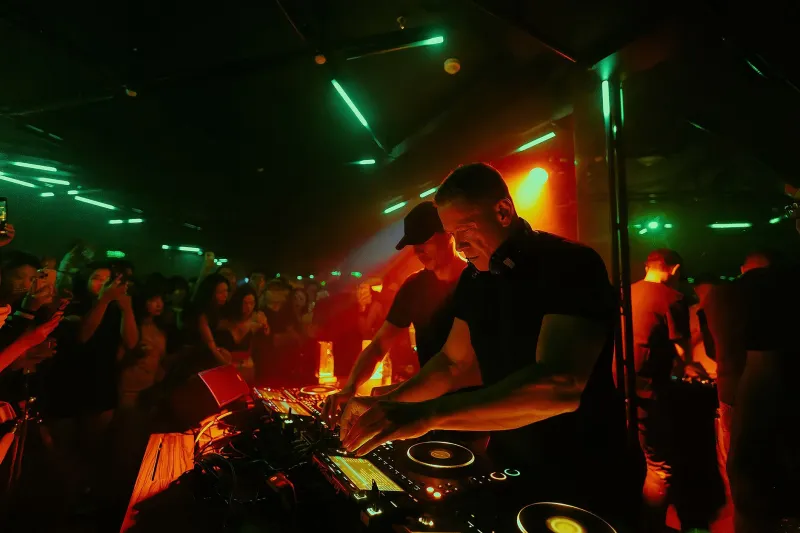
You walk into a room and something clicks. The music sits at exactly the right volume — loud enough to feel it in your chest, quiet enough that you can still lean in and say something without screaming. The lighting makes everyone look like they belong in a magazine. You grab a drink, find a spot, and somewhere around the second round you realize: this is the night you're going to talk about when you get home.
That feeling didn't happen by accident.
Shinjuku's premier venues are running what amounts to a full-time psychological operation every single night, and the people at the controls are some of the sharpest hospitality minds in the business. They call it vibe curation, atmosphere management, crowd reading — the terminology changes depending on who you ask. But the practice is the same: constant, real-time calibration of everything from the bass frequency to the temperature of the room, all in service of making sure every guest feels like the night was built specifically for them.
The First Five Minutes Tell Everything
Venue staff — especially floor managers and host teams — are trained to clock a group the second they walk in the door. Not in a judgmental way. More like a doctor taking vitals. Party size, energy level, body language, the way people are dressed, whether they're already loose or still a little stiff from the work week. All of it feeds into an instant read on what this group needs.
A bachelorette crew from out of town is going to want something different from a pair of colleagues wrapping up a long client dinner. Solo travelers — especially Americans navigating Shinjuku for the first time — need a specific kind of welcome that says you're safe here, you belong here, let's have some fun. Corporate groups sometimes need the energy dialed back just enough that the most senior person in the room feels comfortable, before the floor slowly opens up as the night progresses.
Experienced hosts read all of this without being asked. That's the job.
Lighting Is the Mood, Not the Decoration
Here's something most guests never consciously register: the lighting in a well-run Shinjuku venue shifts throughout the night. Not dramatically — you're not going to notice a switch flipping. But the warmth of the light, the intensity, the way shadows fall across a room — all of it is being adjusted in real time based on crowd density and energy.
Early in the evening, when a room is still filling up, venues tend to run warmer, slightly brighter tones. It creates a welcoming, social atmosphere that encourages people to settle in and start talking. As the crowd builds and the energy rises, lighting gets cooler and more dynamic. By peak hours, the room is doing half the work of keeping the momentum going — people feel the shift even if they can't explain it.
Date-night couples get a different treatment entirely. Tables positioned in lower-light zones aren't just romantic by accident. Floor managers actively seat intimate parties in spots where the lighting creates a sense of privacy within a busy room. It's a small thing that makes a massive difference.
Music Is a Conversation, Not a Playlist
DJ sets and curated music programs in Shinjuku's top spots are built around crowd response, not a predetermined tracklist. Good DJs — and good music directors — are watching the floor constantly. Are people moving? Are they clustered at the bar, not dancing? Did a particular track kill the energy or light it up?
For American visitors, there's often a moment somewhere in the night where a familiar track drops — something from back home, something you weren't expecting — and it hits different in a Shinjuku room. That's not random. Venue teams know their international guest demographics and they build in those moments intentionally. It's a way of saying we see you, we know where you came from, welcome anyway.
The BPM arc of a night is also carefully managed. You don't open at full throttle and you don't let the energy crash at 1am. The best venues treat the music program like a story with a beginning, a build, and a payoff.
Crowd Geometry: Where You Stand Matters More Than You Think
This one sounds almost too granular to be real, but the physical layout of a crowd inside a venue — where people cluster, where there's space, how the flow of movement works — is actively managed by experienced floor staff.
When a room starts to feel stagnant, it's often a geometry problem. People have settled into static groups and the energy isn't moving. Good floor managers know how to gently shift things — repositioning a drinks station, opening a section of the floor, directing traffic in subtle ways that get people moving and mingling again without anyone feeling like they're being herded.
For solo travelers, this is huge. Walking into a Shinjuku venue alone can feel intimidating, especially if you don't speak Japanese and you're not sure of the social rules. The best venues have staff who specialize in making solo guests feel plugged in — introducing them to the right people, positioning them near social hubs, making sure they're never standing awkwardly outside the action.
Why It All Comes Back to Respect
The deeper thing driving all of this — the lighting science, the music calibration, the crowd management — is a fundamental respect for the guest experience that runs deep in Japanese hospitality culture. The concept of omotenashi, anticipating needs before they're expressed, isn't just a buzzword in Shinjuku. It's a genuine operating philosophy.
What makes it interesting for American visitors is that it doesn't feel formal or stiff. Shinjuku's entertainment venues have figured out how to deliver that level of care in a context that's loud, fun, and a little unpredictable. You're not in a hotel lobby. You're in a room full of people having the time of their lives — and someone behind the scenes is making sure the conditions are exactly right for that to keep happening.
The next time a night in Shinjuku just works — when the vibe locks in and you can't quite explain why — know that you're feeling the result of a lot of invisible effort. The mood architects were doing their job. And they were doing it for you.