After Last Call: The Invisible Workforce That Keeps Shinjuku Alive Until Dawn
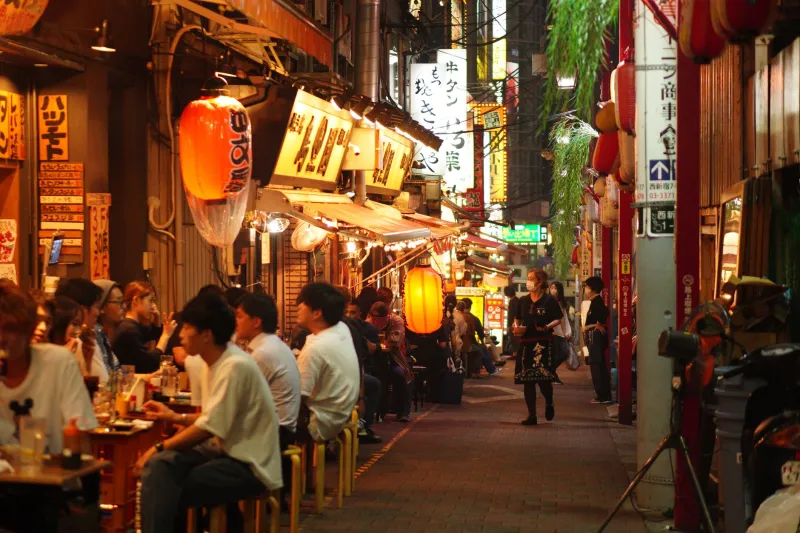
You're standing on Kabukicho's main drag at 2 a.m., neon bouncing off the wet pavement, music bleeding out from three different venues at once. It feels effortless. Spontaneous, even. Like the whole district just happened to be this alive, this polished, this ready for you.
It didn't just happen. Not even close.
Shinjuku's nightlife ecosystem is powered by a workforce most tourists never see—a rotating cast of hundreds who clock in when the rest of Tokyo is winding down and punch out sometime around sunrise. They're the real architects of the experience you're paying for, and their world operates on a completely different rhythm than yours.
The Shift That Starts When Yours Ends
For most American visitors, the night out starts around 9 or 10 p.m. For a significant chunk of Shinjuku's labor force, that's basically the beginning of the workday. Security staff at mid-size venues typically arrive between 7 and 8 p.m. to do walk-throughs, coordinate with management, and brief the door team before the first guests trickle in. By the time you're ordering your second round, they've already been on their feet for hours.
Kitchen crews operate on a similar timeline, but with higher stakes. The izakayas and late-night ramen spots that serve the after-show crowd—the ones open until 4 or 5 a.m.—often run skeleton teams through the deepest hours. These aren't just line cooks grinding through a dinner rush. They're managing dwindling supplies, improvising around what's left in the walk-in, and still plating food that holds up to Shinjuku's famously high standards. There's a kind of quiet pride in that work, and it shows.
The Economics Nobody Talks About
Here's something that surprises a lot of Americans: working nights in Tokyo's entertainment districts isn't necessarily a stepping stone to something else. For many, it's a deliberate career path with its own structure and rewards.
Night shift premiums under Japanese labor law typically add 25% to an employee's base hourly rate after 10 p.m. For workers in hospitality-heavy zones like Shinjuku, that adds up. Combined with tips—less common in Japan than in the US but increasingly expected at venues catering to international crowds—experienced nightlife workers can build genuinely stable incomes.
But it's not just about the money. There's a whole social ecosystem that develops among people who share the same inverted schedule. The ramen shop that opens at midnight specifically to serve venue staff finishing their shifts. The convenience store clerk who knows every bartender in the block by name. The cleaning crews who have standing jokes with the security teams they pass every single morning. It's a community built on shared hours, and it's tighter than most outsiders realize.
Who's Actually Running the Floor
One of the more striking things about Shinjuku's nightlife labor force is how diverse it is—in ways that don't always register from the customer side of the bar.
A significant number of venue staff are students from Tokyo's many universities, working nights to cover tuition and rent while keeping their days free for classes. Others are career hospitality professionals who've worked their way up from bussing tables to managing entire floor operations. Some are performers themselves—dancers, musicians, artists—who work service jobs between gigs and bring a performer's instinct for reading a room to every shift.
Then there's the cleaning infrastructure, which is genuinely remarkable and almost entirely invisible to visitors. Large venues in Kabukicho contract with specialized cleaning companies that send teams in during the narrow window between closing time and the next day's prep. We're talking about crews that can turn over a 300-person capacity venue—floors, bathrooms, bar surfaces, stage—in under three hours. The precision involved is borderline choreographic, which feels appropriate given the setting.
The Culture Inside the Culture
Spend enough time talking to Shinjuku's night workers and a few consistent themes emerge. There's a strong sense of professional pride that might read as surprising to Americans used to thinking of service industry jobs as temporary or low-status. In Japan generally, and in Shinjuku's nightlife world specifically, the idea of shokunin—a craftsperson's dedication to their trade—extends to hospitality work in a way that doesn't always translate back home.
A bouncer who's worked the same venue for eight years isn't just doing a job. He knows every regular, every neighborhood dynamic, every subtle sign that a situation might be about to escalate. That institutional knowledge is genuinely valued, and it shows in how long people stay in these roles.
There's also a distinct social rhythm that develops around the shared schedule. Nights off are precious and tend to get spent with other night workers, since they're the only people who understand why you're texting at 4 a.m. and sleeping until noon. Relationships, friendships, even whole social lives get built around the midnight economy's particular clock.
What This Means for You as a Visitor
None of this is meant to make you feel guilty about enjoying a night out in Shinjuku. That's not the point. But there's something genuinely valuable in understanding that the seamless, glittering experience you're having is the product of serious human effort—effort that operates on a timeline and within a culture that most visitors never glimpse.
The bartender who remembers your order from last night didn't just get lucky. The security guy who quietly redirected a tense situation before you even noticed it wasn't running on instinct alone. The venue that somehow felt spotless when you walked in at 9 p.m. didn't clean itself.
When you tip a little more generously, when you treat venue staff with the same energy you'd want if you were eight hours into a night shift, when you take a second to acknowledge the people making your experience possible—that lands differently here than you might think. Shinjuku's night workers are professionals who take their craft seriously, and they notice when guests do the same.
The City That Never Actually Sleeps
Tokyo has a reputation as a city that goes to bed at a reasonable hour, especially compared to New York or Vegas. And in some neighborhoods, that's fair. But Shinjuku operates by different rules, and the people who enforce those rules are the ones showing up at midnight with a checklist and a sense of purpose.
Next time you're out here, pay attention to who's around you at 3 a.m. Not the other tourists. The staff. The cleaners doing their rounds. The kitchen crew taking a smoke break in the alley. The security team switching shifts. They're not background characters in your night out. They're the main event—just running on a schedule you probably don't share.
Shinjuku's neon is beautiful. But the people keeping it lit are more interesting.