Neon, Knuckles, and Nine Figures: The Business Empire Built on a Single Shinjuku Hand Sign
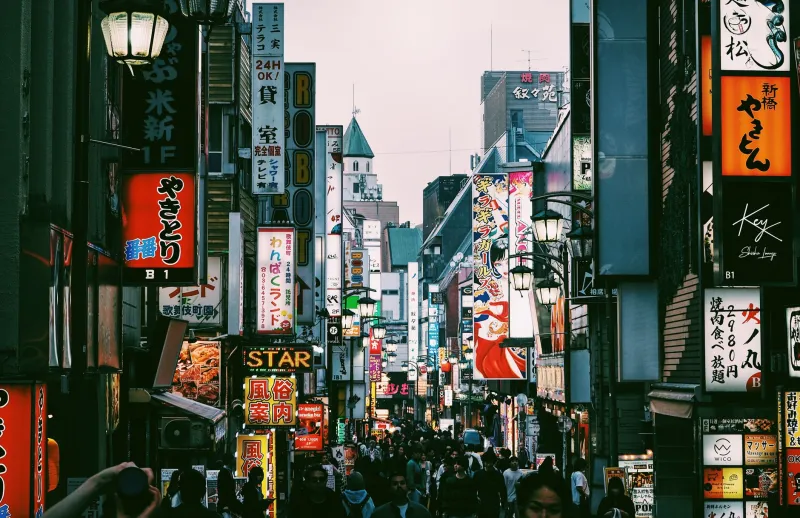
Somewhere between the glowing signage of Kabukicho and the quieter, smokier corridors of Golden Gai, a handshake economy was born. Not a literal handshake — something far more specific, far more loaded, and, as it turns out, far more profitable. The V-hand gesture, Shinjuku's most recognizable piece of underground shorthand, has become the unlikely foundation of a subculture worth an estimated $50 million and climbing.
That number sounds wild. It also happens to be real.
How a Signal Becomes a System
To understand how a hand gesture transforms into an economic engine, you have to go back to the mechanics of how Shinjuku's nightlife actually works. The district has always operated on layered access — there are the spots tourists find on their own, the spots locals know about, and then a third tier that essentially doesn't exist unless someone vouches for you. The V-hand emerged from that third layer.
"It was never about showing off," says Kenji M., who manages two mid-sized venues in the Ni-chome area. "It was functional. You needed a way to signal trust without words, especially when you've got international guests who don't speak Japanese and staff who don't speak English."
That functional gap — the communication void between American visitors and Japanese venue staff — turned out to be a goldmine hiding in plain sight. Once American tourists and music industry travelers started arriving in larger numbers post-pandemic, the gesture became a bridge. And bridges, historically, get tolled.
The Merch Nobody Talks About
Walk through certain pockets of Shinjuku on a Friday night and you'll notice small vendor setups — nothing flashy, just folding tables and low lighting — selling everything from embroidered patches to limited-run tote bags bearing stylized versions of the V-hand symbol. Most of it is unlicensed. Some of it is surprisingly well-designed.
Ryu T., who runs a small print operation near Shinjuku Station's east exit, estimates he moves between 300 and 500 units a week during peak tourist season, with a significant chunk of buyers being Americans who discovered the gesture online before even landing in Japan.
"They come in already knowing what it means," he says, laughing a little. "Sometimes they know more about the rules than people who've lived here for years. They saw it on TikTok, they read about it, they practiced it. Then they want something to take home."
That appetite for tangible souvenirs tied to underground cultural experiences is very American, and the vendors of Shinjuku have figured that out faster than most formal retailers. The informal merch ecosystem alone — patches, pins, phone cases, printed tees — is estimated by local market observers to generate somewhere in the range of $2 to $4 million annually. That's not counting the digital side.
The Promoter Class Gets Creative
If the merch vendors represent the street-level economy, the promoters are the ones operating the infrastructure beneath it. And over the past few years, a new class of Shinjuku event promoters has emerged specifically to cater to American visitors who arrive gesture-curious and experience-hungry.
Think curated venue crawls, private table packages that come with a gesture "orientation," and ticketed events where the entire premise is teaching international guests how to navigate Shinjuku's layered nightlife culture. It sounds like it could easily tip into tourist trap territory — and sometimes it does — but the better operators have found a formula that feels genuinely immersive rather than performative.
"Americans don't want to be tourists," explains Hana S., a promoter who runs a monthly event series targeting international visitors with a nightlife background. "They want to feel like insiders. If you can give them that feeling authentically — if you can actually teach them something real — they'll pay for it, and they'll come back."
Hana's events regularly sell out at $80 to $120 per ticket, with premium packages running higher. She operates three nights a month and has expanded to include a small digital community with paid membership tiers. The gesture, she's careful to note, isn't the product. It's the entry point.
Hospitality Workers Are Winning Too
The economic ripple doesn't stop at the promoter level. Inside the venues themselves, staff who understand both the gesture's cultural weight and how to communicate it to American guests have become significantly more valuable. Bilingual floor staff at top-tier Shinjuku clubs now command wages that would surprise most people outside the industry.
"If you can read the room — and I mean really read it, including knowing when a foreign guest is doing the gesture wrong versus doing it wrong on purpose — you are worth a lot to a venue," says one floor manager at a high-volume club who asked to remain anonymous. "That skill set didn't exist as a job requirement five years ago. Now it's basically mandatory at the top spots."
This has created an unexpected upskilling wave among younger hospitality workers in Shinjuku. Cultural fluency — specifically, the ability to translate not just language but behavioral codes between Japanese and American guests — is now a career differentiator in ways it simply wasn't before.
The Digital Layer Nobody Expected
And then there's the internet, which has done what the internet always does: taken something local and specific and made it globally legible, for better and worse.
YouTube channels dedicated to decoding Shinjuku's nightlife culture — several of them run by Americans who've spent extended time in Tokyo — rack up millions of views. Some have monetized through brand deals with travel companies, sake brands, and even Tokyo-area hotels that want to reach the exact demographic of adventurous, nightlife-oriented American travelers.
The gesture itself has become a kind of searchable cultural artifact. People research it before trips. They watch explainer videos. They join Discord servers where Shinjuku regulars — both Japanese and American — debate the finer points of context and etiquette. That online ecosystem feeds foot traffic directly back into the physical venues of Shinjuku, creating a loop that venue owners are increasingly aware of and actively cultivating.
So Who Actually Owns This Culture?
Here's where it gets complicated, and honestly, where the most interesting conversation lives. The V-hand gesture didn't emerge from a boardroom. It wasn't invented by a marketing team. It grew organically from the specific social geography of Shinjuku's nightlife scene, shaped by decades of subculture layering and, more recently, the collision of Japanese venue culture with American visitor energy.
Nobody owns it. And that's precisely why it's worth $50 million.
When a cultural signal belongs to a community rather than a corporation, it becomes both more durable and more adaptable. Businesses can build around it without ever controlling it. Visitors can participate without ever fully possessing it. And the culture itself stays alive in a way that branded experiences rarely manage.
For American travelers looking to engage with Shinjuku's nightlife on a deeper level, understanding that economy — and your place within it — might be the most valuable thing you can bring through the door. That, and knowing the gesture. Obviously.